
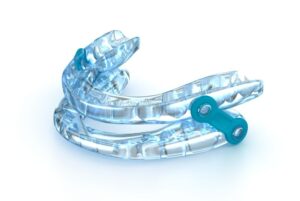
Oral sleep appliances for sleep apnea are effective and convenient. They also have a higher compliance rate than CPAP therapy, partially because they are designed for comfort. But what if adjusting to your oral appliance is a bit tougher than you originally anticipated? In this blog post, you will learn about some common challenges and how you can cope with them.
Common Challenges with Oral Appliance Therapy
Some of the most common issues for people who are new to oral appliance therapy include:
- Initial discomfort or soreness in the teeth, gums, or jaw
- Excessive salivation (drooling) or dry mouth
- Difficulty keeping the appliance in place overnight
- Mild to moderate jaw stiffness in the morning
- Minor changes in bite alignment
- Gagging that makes it difficult to use the appliance
These issues are normal as your mouth adjusts to your oral appliance. As long as they are not severe, they are usually nothing to be concerned about.
Keep Using Your Appliance to Adjust
Consistency is key when adapting to your oral appliance! You might feel tempted to skip nights when it feels uncomfortable, but you should not do so. Here are some tips to help you keep up with wearing it:
- Use your oral appliance every night as prescribed, even if you feel minor discomfort.
- Practice inserting and removing the appliance during the day to become more comfortable with the process. During these daytime sessions, try to gradually increase the amount of time it is in your mouth.
- When you practice wearing your appliance, take in deep breaths through your nose and consciously relax your body; this may help with your gag reflex.
- Keep a journal to track any issues you notice and share them with your provider at follow-up visits
Over time, you will likely find that the appliance feels much more natural, and your sleep quality improves as a result. Most patients are well-adapted within 2 – 3 weeks.
Coping with Ongoing Problems
If you continue to experience problems after the initial adjustment period, talk to the dentist who provided it. Explain your problems in detail, and they will do all they can to help you cope with the issues. Your appliance may need to be adjusted, or you might need a different type of appliance altogether.
Oral appliance therapy is pretty amazing, but it takes some getting used to! Stick with it, and hopefully, it will soon be an easy part of your nightly routine.
Meet the Practice
Dr. Erin Page is a highly skilled sleep dentist who is proud to serve the Schenectady community. She understands the nuances of obstructive sleep apnea, and she provides custom oral appliances to help patients enjoy higher-quality rest. If you have questions about this treatment or would like to come in for a consultation, contact Capital Smiles at 518-800-3102.