
Sleep Apnea Therapy - Schenectady, NY • Capital District
Stop Snoring & Sleep Better
 Sleep apnea is a very serious sleep disorder that causes a person to stop breathing for up to 10 seconds repeatedly while sleeping. Because breathing is stopped, the brain and the body become oxygen deprived resulting in health problems, including worsening ADHD symptoms, high blood pressure, stroke, heart disease and heart attack, diabetes, and depression.
What Causes Sleep Apnea?
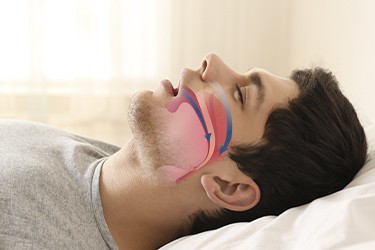
There are two types of sleep apnea, but the most common is Obstructive sleep apnea, also referred to as OSA. This form of sleep apnea involves a blocked airway. Malformed airways, the size or position of the tongue and tonsils, and the collapse of soft tissue at the back of the throat can all contribute to sleep apnea.
Men make up the majority of sleep apnea cases, though women are also at risk. What else can increase your chances for sleep apnea? People who are over the age of 40, are overweight, have acid reflux (GERD), a nasal obstruction such as a deviated septum, or who have a family history or sleep apnea should pay attention to the symptoms.
Most Common Sleep Apnea Symptoms
- Loud, constant snoring
- Waking up multiple times a night
- Feeling as though your choking or gasping during sleep
- A lack of energy or daytime sleepiness
- Headaches or migraines
- Moodiness, irritability, or forgetfulness
- Insomnia or restless sleep
- Decreased sex drive
Diagnosing Sleep Apnea
Before we can get started with sleep apnea treatment, we must first reach a diagnosis which confirms that this is indeed the source of your troubles. To do so, our team will ask you a series of questions related to your sleep, how you feel throughout the day, and what others have noticed about your sleep habits. Based on the results, we will determine how best to move forward to help you regain the sleep you need to thrive each day.
Learn About Diagnosing Sleep Apnea
Oral Appliance Therapy for Sleep Apnea
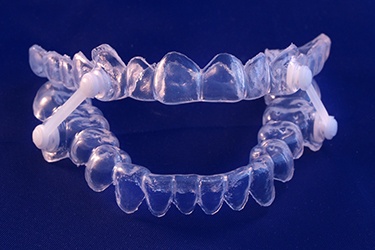
Compared to the bulky and disruptive CPAP -- which has long been the gold-standard treatment for sleep apnea -- oral appliance therapy is a wonderful alternative. This option has helped numerous patients find relief from chronic snoring and sleep apnea. It works by holding the lower jaw in place, preventing its collapse and keeping the airway clear throughout the night. Plus, it is small, portable, and customized to fit your oral anatomy perfectly for maximum comfort and ease of use.
Learn About Oral Appliance Therapy
Sleep Apnea Risk Factors
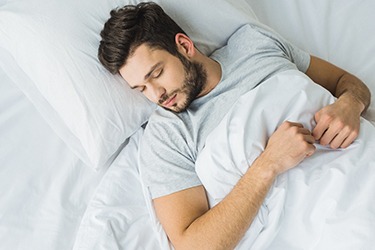
Most of the people dealing with sleep apnea right now actually have no clue that they are. Are you at risk? There are several things that can influence whether or not someone will develop the disorder. Some are in your control, like bodyweight, while others are not, such as your age and gender. What are the most common risk factors, and is there anything you can do to lower your chances of experiencing sleep apnea?
Learn More About Sleep Apnea Risk Factors
How Can the Dentist Help?

If you are experiencing any one, or a combination of the symptoms above, it’s time to talk to the dentist about sleep apnea. A few simple tests can help to determine if you are suffering from obstructive sleep apnea, and help the dentist determine if non-surgical therapies might be right for you.
At Capital Smiles, we offer a comfortable sleep apnea solution. A custom-made mouthguard can position the jaw forward, opening up the airway, and allowing you to get a good night’s rest. In addition to the nightguard, the dentist might also make lifestyle recommendations to help alleviate sleep apnea symptoms.
Sleep Apnea FAQs
Does Everyone Who Snores Have Sleep Apnea?
No, not everyone who snores has sleep apnea, and not everyone with sleep apnea snores.
While snoring is commonly associated with sleep apnea, they are two different issues. Snoring is simply the sound that occurs when air moves past tissues in the throat, causing them to vibrate. Light, occasional snoring is usually nothing to be concerned about.
However, if the snoring is loud and frequent, that is a big red flag. The same tissues that vibrate during snoring can actually block the airway in some cases, leading to pauses in breathing. Therefore, if your partner has told you that you snore, it would be wise to ask your care provider if you should undergo a sleep test.
Can I Diagnose Sleep Apnea on My Own?
Sleep apnea is not self-diagnosable. You should undergo a sleep study in order to find out for sure whether you have this condition and how severe it is.
However, you can and should monitor the quality of your sleep. You may even use a sleep journal or health app on your smart device to do so. This can give you insight into the quality and quantity of your sleep, and your doctor can use that data when deciding whether you need to undergo an official sleep test.
Will Oral Appliance Therapy Make CPAP Therapy Unnecessary?
While CPAP therapy is the most commonly prescribed way to address sleep apnea, many patients strongly dislike it. They find it to be uncomfortable and inconvenient. They may even stop using it altogether!
If you are struggling with your CPAP machine, you might be a good candidate for oral appliance therapy. It is an effective alternative for many cases of mild to moderate sleep apnea. It also has a higher compliance rate than CPAP due to its comfortable nature. If your sleep apnea is more severe, you might be able to combine an oral appliance with your CPAP so you can use your machine on a lower setting.
Will My Sleep Apnea Go Away If I Lose Weight?
In some cases, sleep apnea occurs because extra fatty tissue is placing pressure on the airway. If that is true of you, weight loss may reduce or even eliminate your symptoms. Talk to your doctor about designing a reasonable eating plan to shed some pounds.
Of course, weight loss does not guarantee that sleep apnea will go away. This disorder can have a lot of different causes, many of which are unrelated to body weight or composition.
What Does Sleep Apnea Look Like for Women?
Sleep apnea is more common in men than women, but all genders can be affected by it! Women who are most vulnerable include those who are overweight, pregnant, or past menopause.
Some signs that may indicate you have sleep apnea include:
- Feeling tired all the time
- Snoring
- Depression, anxiety, and other mood-related symptoms
- Frequent nighttime urination
Sleep Apnea Consultations in Schenectady
Contact our Schenectady dental practice for your sleep apnea consultation. We’re helping patients in Troy, Saratoga, Clifton Park, and surrounding communities rest easy.