
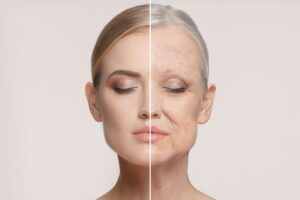
Youth is a precious commodity! Indeed, many people stick to a strict routine that is designed to help them stay young. For example, they may exercise regularly, have a thorough skincare routine, and eat lots of nutritious foods. Certainly, such habits are beneficial. But some people may neglect one key aspect of staying young — getting an adequate amount of high-quality sleep. Research indicates that poor-quality rest can make you age faster, particularly if you have sleep apnea. What is the connection between sleep apnea and the aging process? This blog post shares fascinating information.
How Sleep Apnea Affects Biological Aging
There are two ways to measure age: Chronological age is simply the amount of time that has passed since you were born. Biological age is more complex; it measures how well your cells, tissues, and organs are functioning. It is a major indicator of disease risk.
Research indicates that sleep apnea can speed up the biological aging process. It may do so in a few ways. For example, a lack of adequate rest can slow down your body’s ability to repair itself. It can also impact hormone function, raise your stress levels, and more. It may even shorten telomeres (protective chromosome caps in your DNA). Shorter telomeres are associated with advanced biological age.
The science behind why sleep apnea accelerates aging is complex, but it is related to chronic oxygen deprivation. Sleep apnea causes repeated pauses in breathing during sleep, and this stressful repeated experience can affect virtually every bodily system.
What Can You Do?
While you have no control over your chronological age, you do have a measure of control over your biological age. In fact, biological age can even be reversed to an extent. Here are some steps you can take that may help you turn back the clock:
- Watch for sleep apnea symptoms. Loud snoring, daytime exhaustion, frequent nighttime urination, mood problems, and memory issues could all point to sleep apnea.
- Seek treatment for sleep apnea. Your doctor or another qualified medical professional can help you arrange for sleep apnea testing. After your diagnosis, you should stick to your prescribed treatment plan. For example, you might qualify for a custom oral appliance from a dentist. It can keep your airway open and promote uninterrupted sleep.
- Address other factors that affect sleep quality. Cutting back on caffeine, investing in a new mattress, engaging in meditation or breathing exercises, or not using your phone in bed could all increase the quality of your nightly rest.
Poor-quality sleep can make you age faster! Fortunately, you can take practical steps to hold onto your measure of youth.
Meet the Practice
Dr. Erin Page is a knowledgeable sleep dentist who provides oral appliance therapy to help patients manage their sleep apnea. She and our team are committed to providing top-quality care in a welcoming environment. To learn more about us or to request a consultation, contact Capital Smiles in Schenectady, NY, at 518-800-3102.